















7th Workshop on Open-World 3D Scene Understanding and Representations
Workshop Room: Malmömässan B
Poster Presentation Room: Malmömässan Exhibit Hall
| 09:00 - 09:10 | Welcome & Introduction |
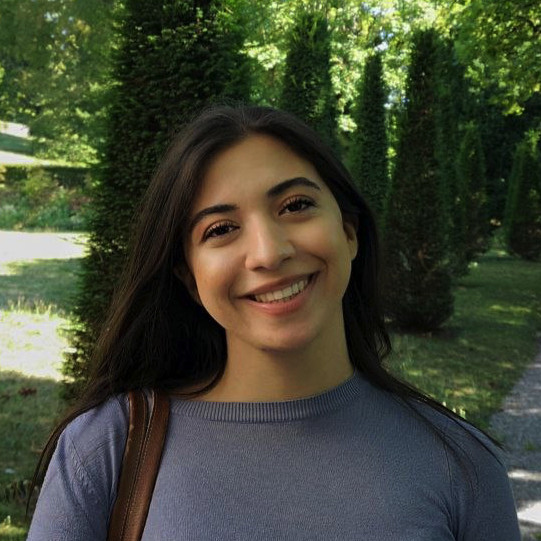
| 09:10 - 09:40 | Keynote 1 Matthias Nießner (TUM / SpAItial AI) |
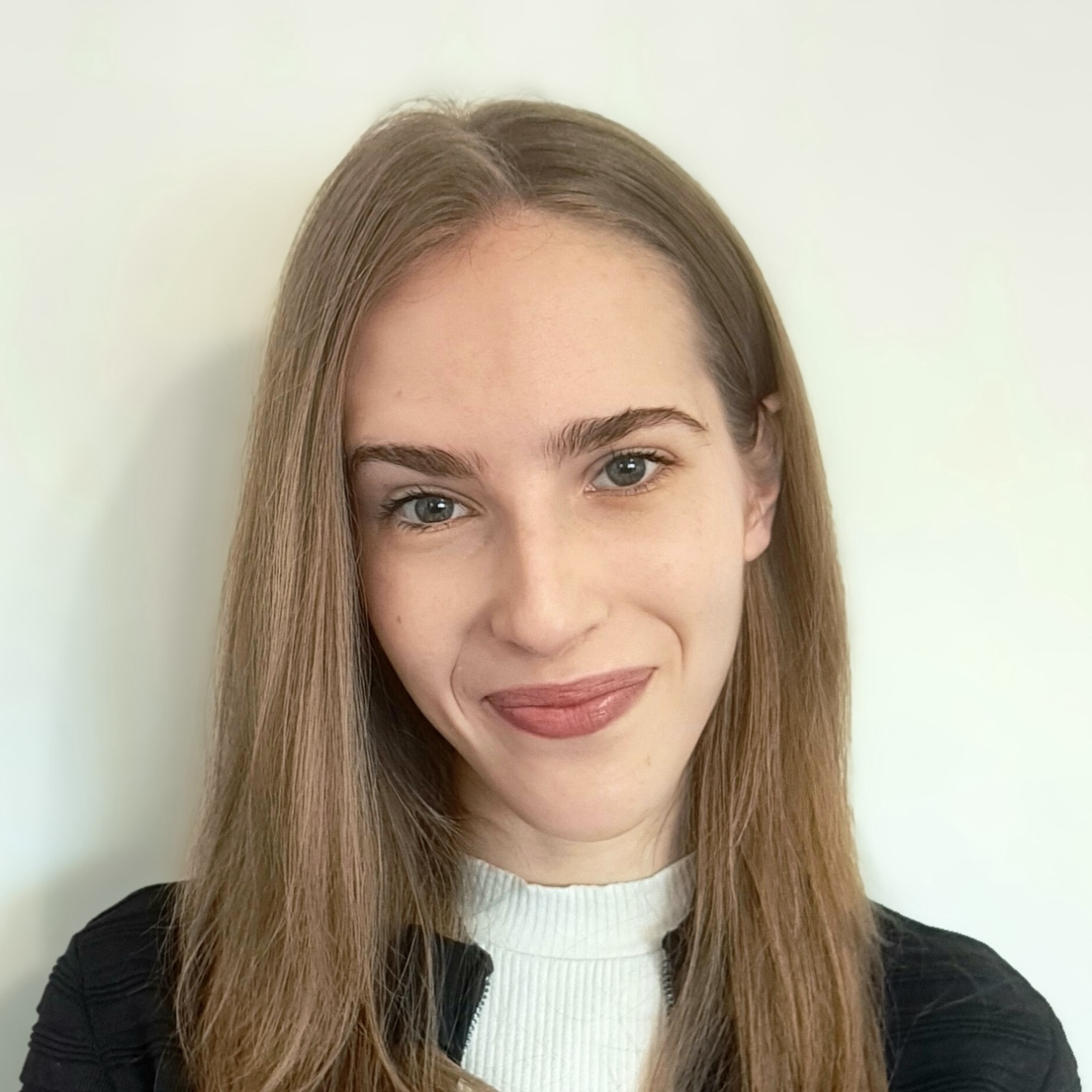
| 09:40 - 10:10 | Keynote 2 Dima Damen (University of Bristol / Google DeepMind) |
| 10:10 - 11:00 |
Coffee Break & Poster Session Poster Presentation Room: Malmömässan Exhibit Hall |
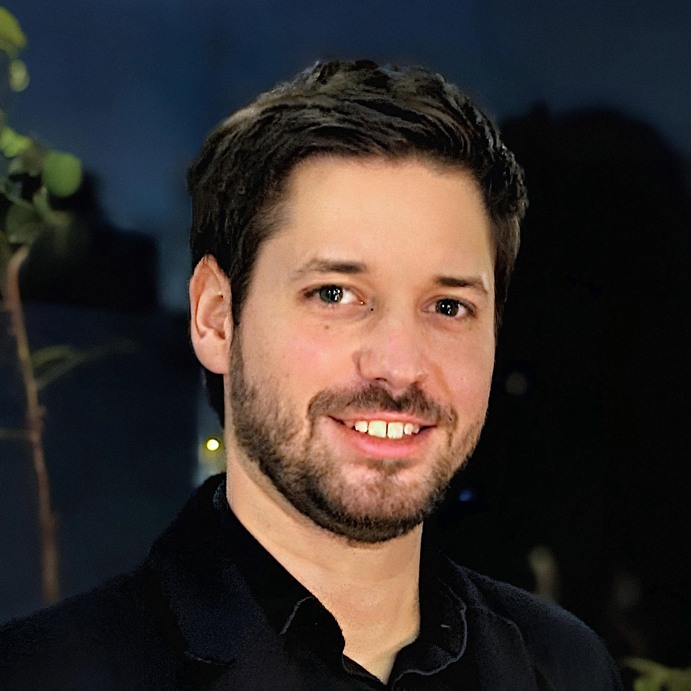
| 11:00 - 11:30 | Keynote 3 Carl Doersch (Google DeepMind) |
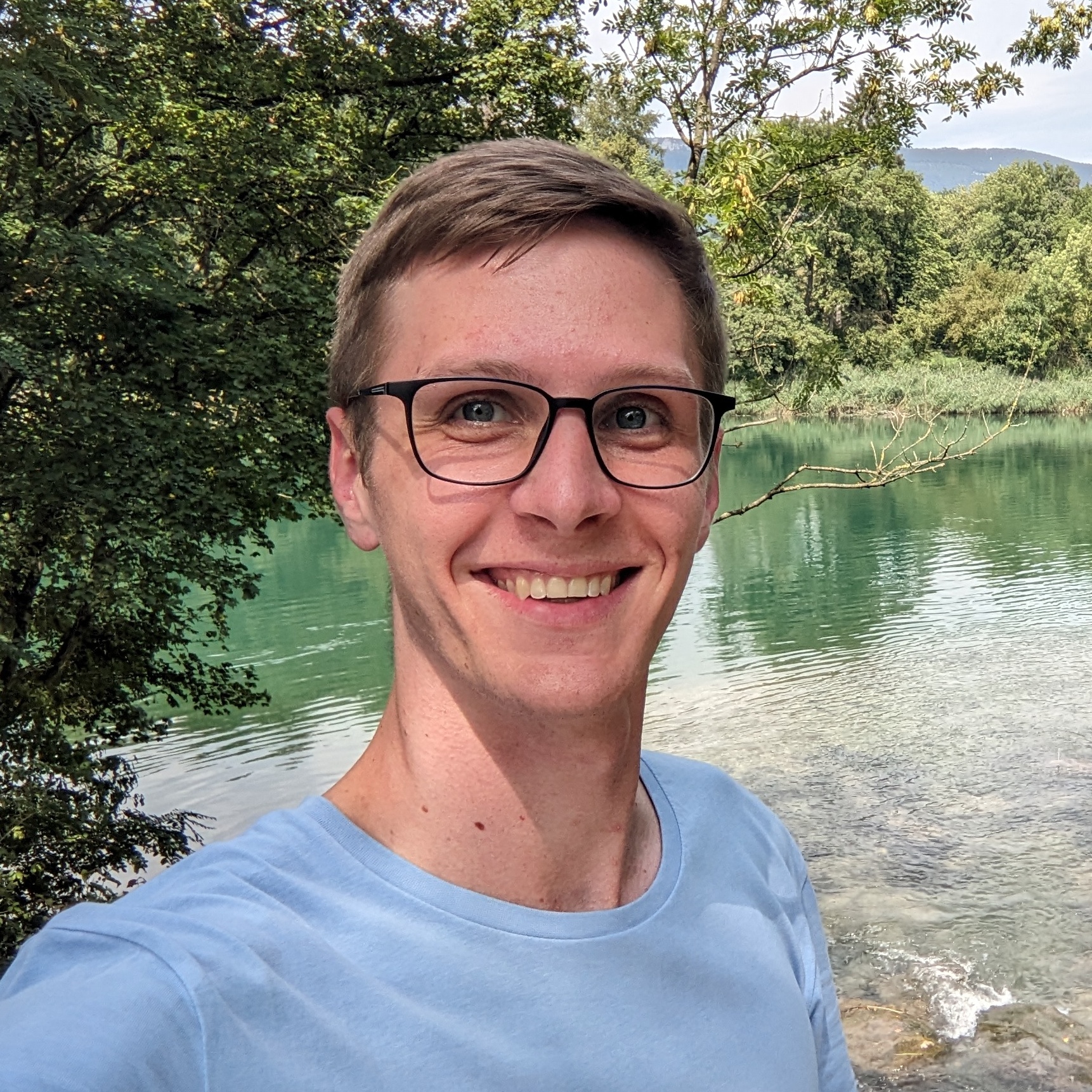
| 11:30 - 12:00 | Keynote 4 Peter Kontschieder (Meta) |
| 12:00 - 12:30 | Winners Talks |
| 12:30 - 12:40 | Concluding Remarks |

TUM / SpAItial AI

University of Bristol / Google DeepMind

Google DeepMind

Research Director at Meta
| Submission Type | Length | In Proceedings | Deadline | Policies |
|---|---|---|---|---|
| Proceedings Track | 14 pages | Yes | August 1, 2026 | Anonymous, subject to dual-submission rules. |
| Non-Archival Track | 7 / 14 pages | No | August 1, 2026 | Anonymous, may include previously published work. |
All submissions must be anonymous and follow the ECCV 26 author guidelines.
14-page full papers for inclusion in the ECCV workshop proceedings. Those submissions are subject to the dual submission policy, only original work not under review or published elsewhere is allowed.
7-page extended abstracts or 14-page full papers that will not be included in the proceedings. May include previously published work that the authors want to present at the workshop.

A dedicated sub-track on memory-centric, online, dynamic/4D or world-model-coupled spatial intelligence. Includes both archival and non-archival submissions. Authors may submit to the main workshop track and also flag their paper as SpatialMem for consideration in this sub-track. Submit as proceedings or non-archival exactly as above and simply flag your paper as SpatialMem at submission.
We host a 3-track challenge based on the SceneFun3D benchmark and the Articulate3D dataset. The challenge focuses on fine-grained functionality, affordance, and interaction understanding in 3D indoor environments.
Resources
Important Dates
Resources
Important Dates
Average Precision Without a Ranking: A Constant Confidence Decides Open-Vocabulary 3D Instance Segmentation Comparisons
SceneTok: A Compressed, Diffusable Token Space for 3D Scenes
Stream3D: Sequential Multi-View 3D Generation via Evidential Memory
SkySplat-OV: Generalizable Language Gaussian Splatting for Open-Vocabulary Scene Understanding from Sparse Satellite Views
Technical report coming soon.
Technical report & video talk coming soon.
Technical report coming soon.
Proudly supported by Huawei